
Remote Patient Monitoring Billing Services
Remote patient monitoring is billed against time, device data and calendar periods rather than against a single encounter. Setup, device supply, data transmission days and monthly management time are each reported separately and each carry their own conditions.
 Trusted by 160,000 Providers

Why Remote Patient Monitoring Matters
RPM programs frequently under-collect while running perfectly well clinically. Staff deliver monitoring, review data and contact patients, but the transmission days are not tracked against the threshold, the management minutes are not recorded in a countable way, or the month closes before anyone checks which patients qualified. The care happened; the claim did not.
Enrollment and consent tracking
Patient eligibility and documented consent confirmed before monitoring is billed.
Setup and device supply billing
One-time setup and device codes billed once per patient, in the correct period.
Transmission-day monitoring
Data days counted against thresholds within the calendar period they apply to.
Management time accumulation
Clinical time recorded per patient and per month in a countable, evidenced form.
Threshold alerts before period close
Patients close to but short of a threshold identified while the month is still open.
Interactive communication tracking
Required patient communication documented where a code depends on it.
Complete Remote Patient Monitoring Services
RPM billing starts with enrollment and setup: confirming the patient qualifies, recording consent, documenting device supply and education, and billing the initial setup once rather than repeatedly. These are one-time elements and are commonly either missed entirely or duplicated in error.
The recurring work is the harder part. Device data transmission has to be counted against the required number of days within the calendar period, and clinical management time has to be accumulated against monthly thresholds. Both are period-bound: a threshold reached late is a threshold missed, because the month cannot be reopened.
Around that sits documentation. The record must show the time spent, the nature of the clinical review, the interactive communication where a code requires it, and that the device meets the definition the payer applies. Time that was genuinely spent but not documented in a countable form cannot be billed.
Why Practices Choose RevaxisMD for Remote Patient Monitoring
Measurable improvement across the financial metrics that decide whether a practice can plan.
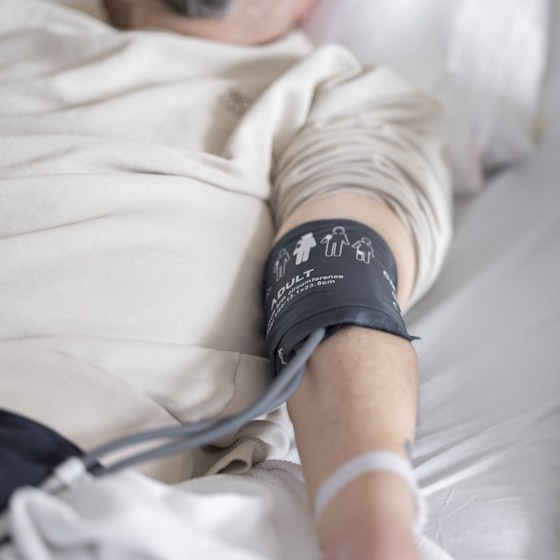
Device and time thresholds tracked
RPM codes depend on transmission days and monitoring minutes; both are tracked per patient so claims are supportable.
Recurring revenue billed monthly
Monthly service codes are billed on cycle rather than missed, which is where most RPM revenue is quietly lost.
Consent and enrolment documented
Program consent and enrolment are recorded to the standard payers expect before they will pay for monitoring.
Care management coordinated
RPM is billed alongside chronic care and principal care management without duplicating time or triggering conflicts.
Audit-ready records
The documentation behind each billed month is retained in a form that survives review, because RPM draws scrutiny.
Program economics visible
Reporting shows enrolled patients, billable months and revenue per patient, so you can judge whether the program is working.
Our Remote Patient Monitoring Process
Every stage is defined, so you always know which claims are moving and what is being done about the ones that are not.
-
01
Enrollment and eligibility review
Patient eligibility, consent and device supply are confirmed and documented at the start, and setup is billed once per patient rather than repeated in later periods.
-
02
Transmission-day tracking
Device data days are counted against the threshold required within each calendar period, with patients approaching but not meeting the threshold identified while there is still time in the month.
-
03
Clinical time accumulation
Management and review time is accumulated per patient against monthly thresholds, in a form that can be evidenced rather than estimated at month end.
-
04
Period-close review
Before the period closes, each enrolled patient is assessed against what they actually qualify for, so nothing is billed without support and nothing supportable is left unbilled.
-
05
Documentation and audit readiness
Consent, device detail, time records and interactive communication are checked against the conditions attached to each code billed.
Trusted by Practices Nationwide
Healthcare providers across the country trust RevaxisMD with their revenue cycle operations.
★★★★★
As a solo practitioner I was drowning in administrative work and losing money on uncollected claims. Handing over the billing operation transformed our finances — revenue is up meaningfully in the first year and I can focus on patients instead of insurance paperwork.
★★★★★
Switching was the best decision we made for our practice. Within the first month we saw significant improvement in cash flow. The team is responsive, knowledgeable, and genuinely invested in our success — our collection rate improved sharply in just six months.
★★★★★
The transition was seamless and the ongoing support has been outstanding. They reduced our days in A/R dramatically and improved our cash flow. Their credentialing team also helped us get contracted with three major payers we had been trying to join for over a year.
Make sure your RPM program bills what it delivers.
We will review how your monitoring program is tracked today and where qualifying revenue is being missed.
Remote Patient Monitoring — Common Questions
What makes RPM billing different from standard visit billing?
RPM is billed against calendar periods, device data and accumulated time rather than a single encounter. There is no visit to reconcile against, so unbilled months leave no obvious trace unless the program is tracked deliberately.
What happens if a patient does not meet the transmission threshold?
The code requiring that threshold cannot be billed for the period. We track transmission days during the month so shortfalls can be identified while there is still time to address them.
Can RPM and chronic care management be billed together?
In some circumstances, but the time counted toward one generally cannot also be counted toward the other. We attribute time to a single program to keep both claims supportable.
How is clinical time evidenced?
Management time is recorded per patient and per period as it is delivered, in a form that can be shown on review, rather than estimated retrospectively at the close of the month.
What documentation does RPM require?
Typically patient consent, evidence the device meets the applicable definition, transmission day records, accumulated time, and interactive communication where a code depends on it. These are checked against the specific codes billed.
Related services
Request a call back
Tell us about your practice and a member of the team will call you to talk through your remote patient monitoring workflow.